


Mono Threads That Support the Skin from Within, Rather Than Pulling
Mono Thread Lifting uses fine, cog-free PDO threads placed densely beneath the skin to create a mesh-like support structure, stimulating collagen production as the threads gradually absorb to help improve skin firmness, fine lines, and skin texture.

Key Features
1Cog-Free PDO Threads
2Dense Thread Placement
3Stimulates Collagen Production
4Helps Improve Firmness & Skin Texture
Mono Thread Lifting at a Glance
- BarblessMonoThread
- SkinStructureSupport
- CollagenRemodeling
- NaturalFirmness

Mono Thread Lifting Treatment Mechanism
Densely placed mono threads help support the skin structure and stimulate collagen production.
-

Step 01.
Mono Thread Placement
Fine, cog-free threads are placed densely beneath the skin to create a supportive framework.
-

Step 02.
Skin Structure Support
The threads form a mesh-like structure beneath the skin to help support and improve skin firmness.
-

Step 03.
Collagen Stimulation
As the threads gradually absorb, they stimulate collagen production to help improve skin firmness.
Targeted Treatment by Concern
From the face to the body, mono threads can be placed where support is needed to help improve reduced firmness and mild sagging.

For those concerned about reduced firmness and mild sagging in the deep cheek area
For those concerned about sagging and reduced firmness in the double chin area
For those concerned about sagging and reduced firmness in the upper arms
For those concerned about sagging and reduced firmness in the abdomen
For those who prefer natural-looking improvement in firmness rather than a strong pulling effect

ELEV Mono Threads: Building a Foundation for Skin Firmness
Treatment is carefully planned based on an in-depth understanding of thread lifting and surgical experience.

In-Depth Understanding of Thread Lifting
Treatment is tailored to the characteristics of mono threads, based on extensive experience with different thread lifting techniques.

Refined Two-Handed Technique
Both hands are used to precisely control the treatment area and direction of thread placement.

Anatomical Expertise of a Board-Certified Surgeon
Treatment is planned with consideration of facial anatomy and tissue depth from a surgical perspective.

Personalized Thread Number & Placement Design
The number and direction of threads are carefully adjusted to each patient’s facial structure rather than following a fixed formula.
Firmness Built with Densely Placed Mono Threads
By stimulating collagen production, treatment addresses skin structure, firmness, and texture together.
-
POINT 01
Adjustable Thread Placement Density
The number and spacing of threads are adjusted according to the density required in each area of concern.
-
POINT 02
Area-Specific Repeat Treatment Planning
Areas requiring greater thread density can be treated repeatedly to gradually increase support.
-
POINT 03
Natural-Looking Tightening
Supports the skin to help improve mild sagging and firmness.
-
POINT 04
Skin Texture Improvement
Helps reinforce thinning skin to improve fine lines and skin texture.
-
POINT 05
Smooth Thread Structure
Uses smooth, cog-free threads to help minimize bruising, swelling, and pain.
Mono Thread Lifting Treatment Information
Key information to know before treatment at a glance.
 Treatment Time30 minutes
 Duration of Results6–12 months
 Peak ResultsFrom 3 months after treatment
 Recovery TimeBruising, swelling, and tenderness may last for at least 2 weeks
- AnesthesiaTopical Anesthesia
· Nerve Block · Entonox · IV Sedation - Pain Level31: Minimal pain – 5: Severe pain
- DowntimeSwelling may last for about 1 week, and a feeling of tightness or soreness may persist for up to 2 weeks in some cases.
- Regulatory ApprovalsKorea (MFDS)
Mono Thread Lifting Treatment Process
From assessment to treatment, every step is carefully tailored to the individual.
-
 STEP 01
Skin Analysis
-
 STEP 02
1:1 Doctor Consultation
-
 STEP 03
Treatment Plan & Coordinator Consultation
-
 STEP 04
Pre-Treatment Care
-
 STEP 05
Treatment
-
 STEP 06
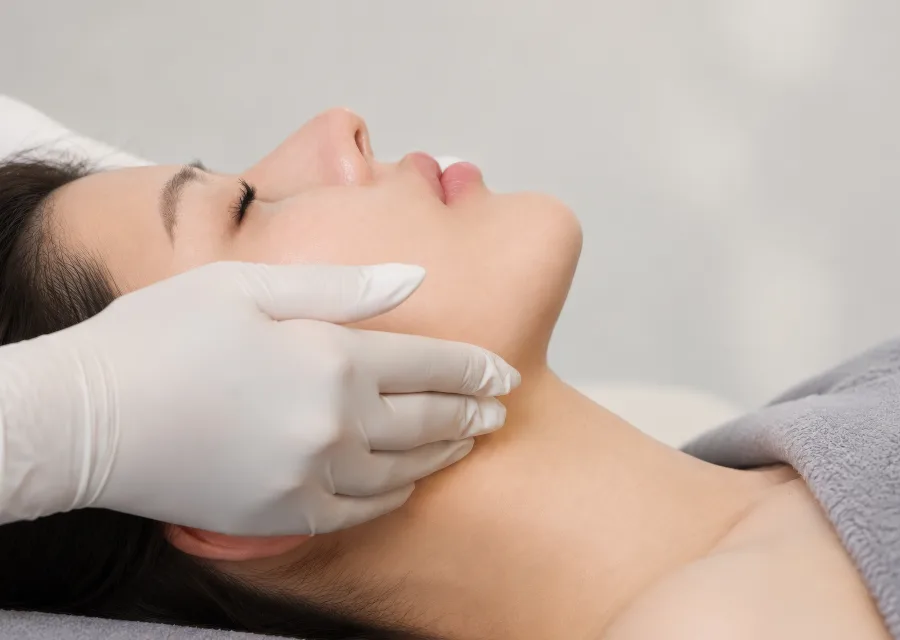
Post-Treatment Care
-
 STEP 07
Refreshments & Aftercare Guidance
-
 STEP 08
Heading Home
-
 STEP 09
Follow-Up Check
Before & After Mono Thread Lifting
Review pre-treatment precautions, post-treatment progress, and proper aftercare at a glance.
- Treatment may not be recommended during pregnancy or breastfeeding.
- If a thread is placed too superficially, it may become visible or protrude, so precise placement is important.
- Temporary tightness, pulling sensations, or pain may occur after treatment.
- Please let us know in advance if you are taking any medications or have a history of bleeding disorders, allergies, or previous procedures.
- Avoid pressing or rubbing the treated area.
- Swelling and bruising may last for about 1 week and, depending on the individual, may persist for up to 2 weeks.
- Avoid saunas, hot baths, strenuous exercise, and alcohol for 1 week after treatment.
- Please contact the clinic if pain, swelling, warmth, or other symptoms persist or worsen.
- Soreness and a pulling sensation usually improve gradually over approximately 2 weeks.
Recommended Treatments to Combine
Experience ELEV’s personalized 1:1 treatment curation, designed to help achieve the best possible results.


FAQ
Take the time to understand your treatment and get your questions answered, so you can feel more confident and satisfied with your results.
-
A
Mono threads are less about pulling the face up and more about firming the skin, which in turn makes it look less saggy.
-
A
Mono threads have no barbs. Barbed cog threads reposition sagging tissue, while mono threads firm up the skin itself. Rather than dramatic change, the skin naturally becomes firmer and mild sagging improves.
-
A
More isn’t automatically better. The number of threads is determined by your individual facial structure, and what matters most is where and in which direction they’re placed. The face may take 30–100 threads, while the upper arms and body use more.
-
A
No, they can’t. Ultherapy improves lifting in the deeper layers of the skin, and Thermage improves dermal firmness and tightening. Mono threads, by contrast, reinforce the structure beneath the skin and remodel collagen.
-
A
It’s well suited to those whose skin has thinned and lost firmness, with fine lines or mild sagging beginning to appear; those whose cheeks or jawline have lost definition but who find a thread lift too much; and, rather than those who want a strong lift, people whose skin has started to feel thinner and weaker than it used to.
-
A
If a physician with in-depth anatomical knowledge places the threads at the correct depth and performs the treatment safely, the threads won’t poke out.

